The BioLign Method
The Science Behind ~90% Predictability.
Minimally Invasive Aligner Protocols, built on real 3D force measurements, not assumptions. The only clear aligner method backed by measured biomechanics data.
The Researcher
Dr. Hisham Badawi
Dr. Hisham Badawi is an orthodontist, inventor, and leader in digital clinical systems innovation. He has developed groundbreaking approaches in orthodontic biomechanics and clear aligner therapy. His work sets new standards for predictability, precision, efficiency, and treatment outcomes in modern orthodontics.
He spent six years at the University of Alberta building the Orthodontic Simulator (OSIM), the first device to measure 3D forces on all 14 teeth simultaneously, earning his PhD in Orthodontics and Medical Sciences, and developing Minimally Invasive Aligner Protocols, now known as the BioLign Method.
The Orthodontic Simulator
A Device That Changed Everything
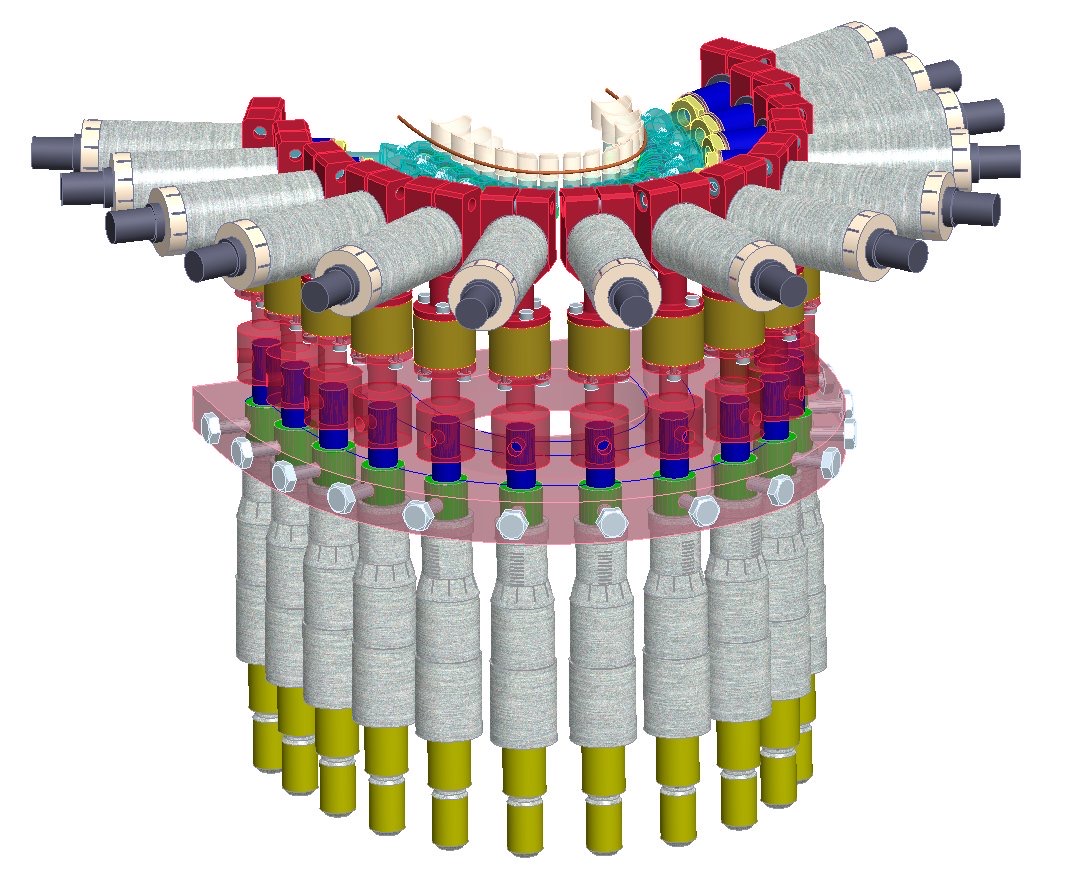
Dr. Hisham Badawi spent six years at the University of Alberta designing and constructing the OSIM: a laboratory-based human mouth model capable of measuring three-dimensional forces and moments on all 14 teeth in the dental arch simultaneously and in real-time.
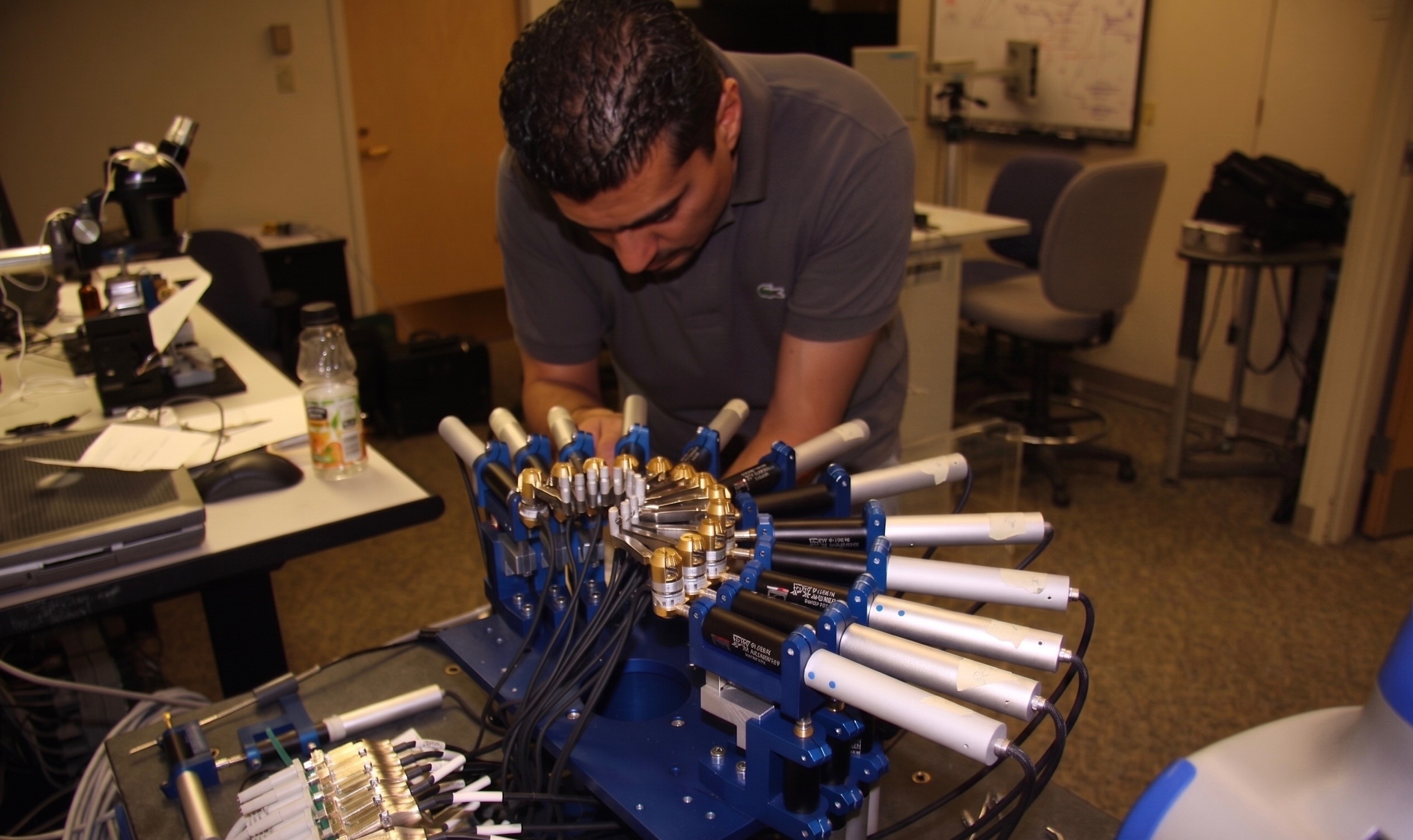 Dr. Badawi working on the OSIM
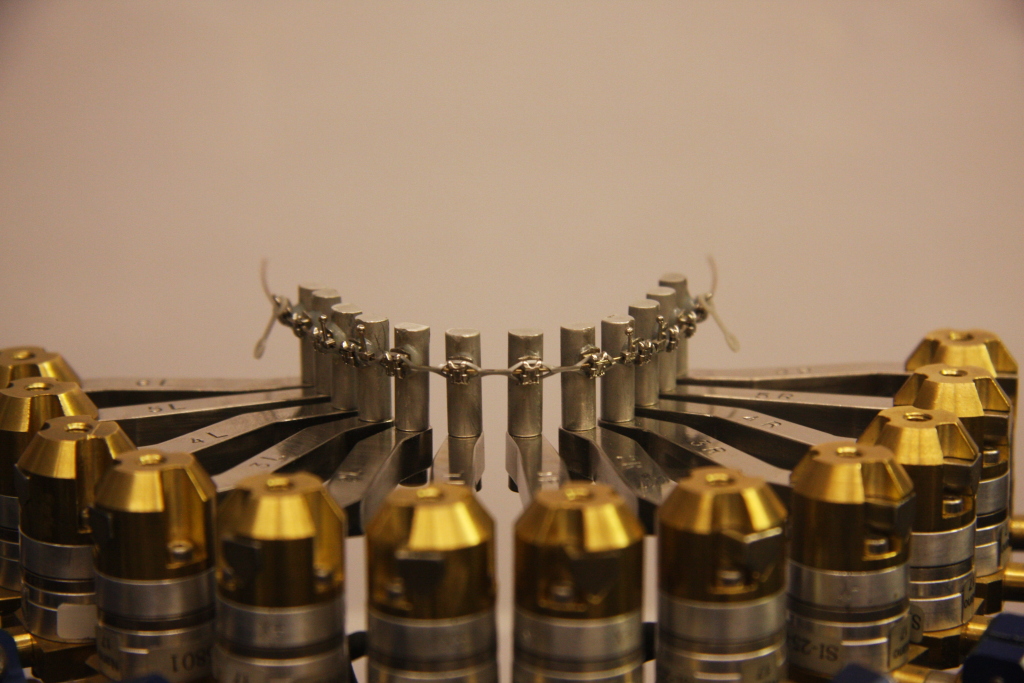 Brackets and archwire on 14 tooth connectors
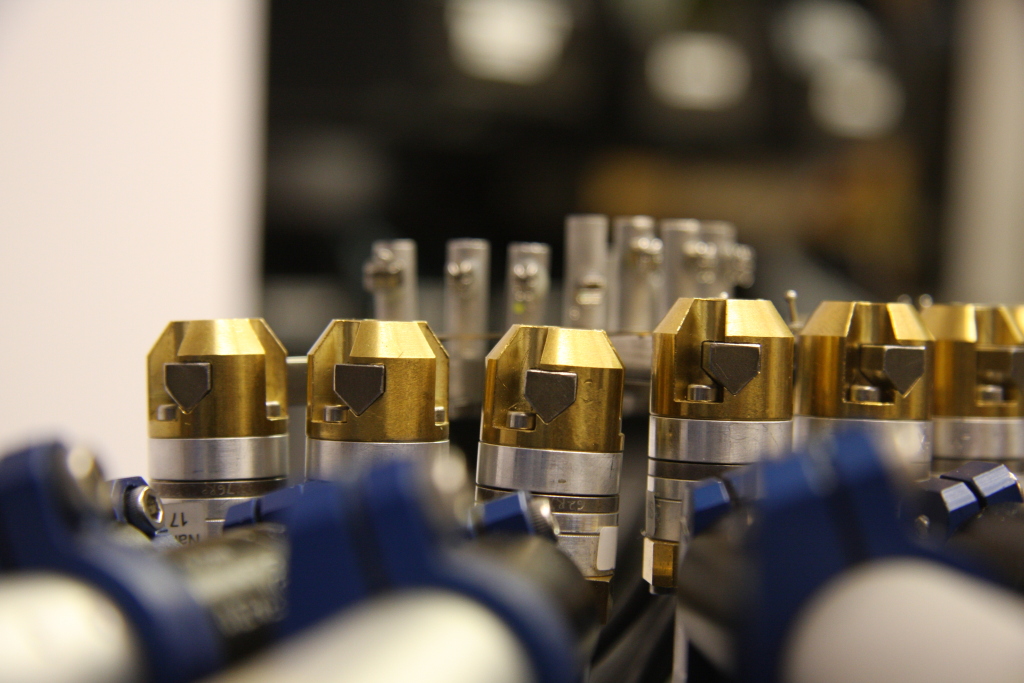 Nano17 multi-axis force transducers
The Data Behind the Protocol
Seeing What No One Else Could
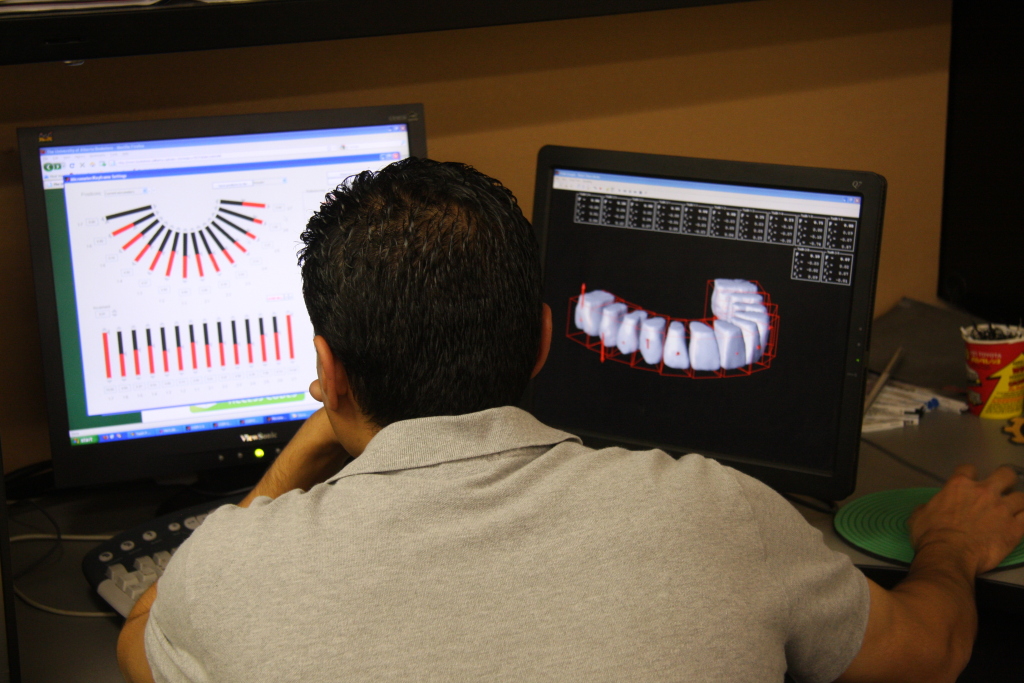
The OSIM software, built in MATLAB, visualizes the force system acting on every tooth in real-time, showing force vectors, moment magnitudes, and how they transform during simulated tooth movements. Data is gathered during both loading and unloading without untying the wires.
In one experiment, the OSIM simulated alignment of a high upper cuspid, one of the most common clinical problems. The results were eye-opening: mesiodistal force propagation with conventional ligation was detected on every tooth in the arch, including premolars on the opposite side, far from the displaced cuspid.
Buccolingual force changes were the most dramatic of all force components. The research showed that increased friction doesn't just slow tooth movement. It produces profoundly different force systems with unwanted forces and moments that compromise treatment outcomes.
PhD Research
The Scientific Foundation
Before Dr. Badawi's work, orthodontic force systems from continuous arch techniques were considered statically indeterminate. They could not be theoretically analyzed or directly solved from force balance. Most research was limited to 2D analyses, single-tooth models, or computer simulations built on too many assumptions.
As Dr. Badawi wrote: "Clinicians are not generally interested in knowing the coefficient of friction for a specific type of wire... clinicians need to know the three-dimensional forces being applied on the dentition when specific combinations of bracket, wire and ligation method are used in a certain type of malocclusion."
The OSIM answered that need. And the data it produced became the foundation for the BioLign Method, the only aligner protocol built on measured, three-dimensional force data rather than theoretical models.
PhD Thesis · University of Alberta
The Use of Multi-Axis Force Transducers for Orthodontic Forces and Moments Identification
Author: Dr. Hisham Badawi
Degree: Doctor of Philosophy
Field: Orthodontics & Medical Sciences
Committee: Faculty from Mechanical Engineering, Dentistry, and external examiners
"For the first time in the history of orthodontics, we have a device capable of replicating specific malocclusions and simultaneously producing detailed three-dimensional information regarding orthodontic forces applied on all the teeth in a dental arch."
- Dr. Hisham Badawi
From Question to Breakthrough
The Road to the BioLign Method
MSc in Orthodontics
Eastman Dental Institute, London. "What if we could measure the forces we apply to teeth?"
The OSIM Built
Six years designing the first device to measure 3D forces on all 14 teeth simultaneously.
PhD Awarded
Complete 3D force system measured on all teeth for the first time in orthodontic history.
~90% Predictability
Thousands of patients treated. The BioLign Method now powers a full digital platform for orthodontists worldwide.
The Measurement Gap
What the Field Knew vs. What the OSIM Revealed
Before Dr. Badawi's research, orthodontic biomechanics was studied with tools that could barely scratch the surface. The OSIM closed a gap that had existed for decades.
Forces Propagate Everywhere
With conventional ligation, unwanted mesiodistal forces were detected on every tooth in the arch, including premolars on the opposite side of the displaced cuspid.
Friction Alters the Force System
Increased friction doesn't just slow movement. The research showed it "profoundly alters the orthodontic force system," changing force patterns even without tooth displacements in that direction.
Lower Friction, Fewer Side Effects
Lower friction consistently produced fewer unwanted force components, less propagation to distant teeth, and a more immediate response during tooth movement reversal.
The BioLign Method
How the BioLign Method Changes the Equation
Armed with data no one else had, Dr. Badawi developed treatment protocols that work with the true physics of tooth movement, not against it.
Natural Arch Form
The BioLign Method restores the patient's natural arch form and dimensions, working with biology, not against it. Every treatment plan is designed around the individual's anatomy.
Biomechanical Optimization
Every movement sequence respects tissue limits, force distribution, and anchorage requirements, informed by actual 3D force measurements, not theoretical approximations.
Minimally Invasive
By understanding how forces propagate through the arch, the BioLign Method eliminates unnecessary movements, reducing root resorption risk, discomfort, and treatment time.

14 Sensors. 84 Data Channels. Every Force Measured.
Results
From Research to Results
What began as a PhD thesis at the University of Alberta has been validated across thousands of patients over 8+ years of clinical use.
See the BioLign Method in Practice
Explore our case studies to see how the BioLign Method delivers predictable outcomes across a range of cases.